
December's Newsletter
Ivy, weaving and Wild Hygge

Hello wild ones new and old! I’ve had an influx of new subscribers so welcome to you all. If you’d like to get to know me more go to this post to read about where I am and how I got here. Leave a comment to tell me where you live on the Earth and about your own wild revival if you feel to! I love to connect with you all. Now on to this month’s Newsletter.

Ivy - Hedera helix
One of my favourite all-time Latin plant names to say aloud, Hedera helix - a spell if ever I heard one, something straight from Harry Potter or Macbeth, it engages my mouth in a way that feels enlivening, try saying it out loud! Ivy is an often-overlooked, ignored, misunderstood and dismissed plant. Often wrongly assumed to be a strangler of trees, a poisonous plant, or useless, Ivy in fact hides many interesting uses.


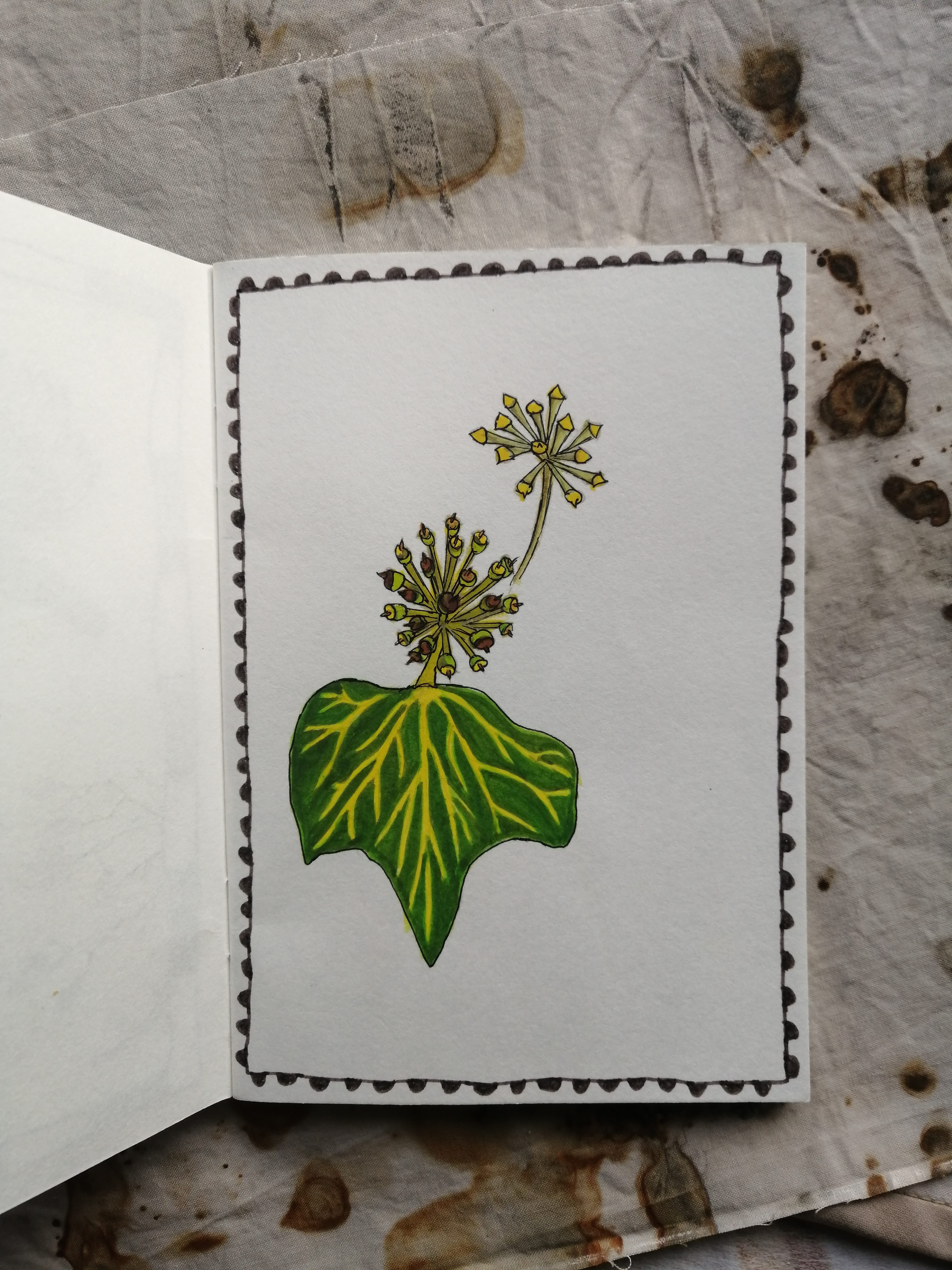
Despite Ivy being predominately a foliage plant, the flowers I find fascinatingly beautiful, clusters of each little flower starting as a round yellow-green bud, opening to a tiny star to release pollen, then swelling to a peaked berry the shape of little mitered hats, moving through yellow, green and darkening to near-black when ripe. When flowering at this time of year, you can sometimes see each stage of the flowers and berries on the same plant, casting your gaze over the bush and finding the globes of buds, then the open flowers, the unripe berries, and the larger swollen black berries. These flowers are such an important source of nectar for our native pollinators in these cold months, and if you pass some flowering Ivy on a sunny day you will see it crawling with bees, hoverflies, flies and beetles. The berries when ripe are favoured by birds, especially blackbirds, and also grow so abundantly on a large plant that we can pick them to add to our door wreaths and table decorations for the festive period.

Ivy’s herbal uses have fallen out of fashion in modern times, but in the past the leaves were used to make teas and concoctions to treat sore throats, coughs and bronchitis, and the leaves were also used traditionally as a soap, being full of saponins which break down in water with the application of heat or from crushing them in your hands. A saucepanful of the leaves heated in water will draw the saponins out and create a natural detergent suitable for cleaning floors, clothes and other things - something fun to try if you’re camping?


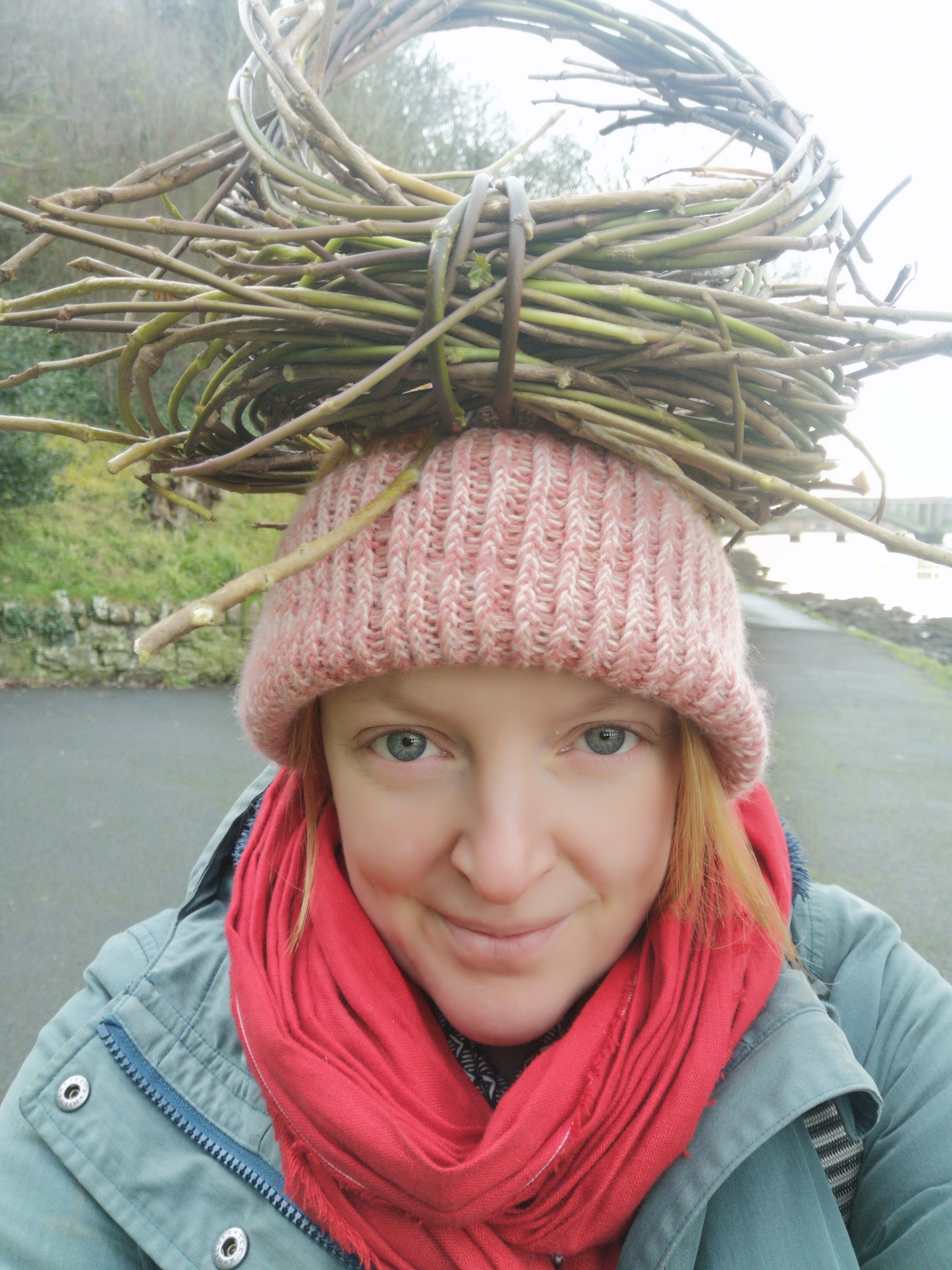
Ivy has a fantastically obvious use too that has become obsolete to all but the few incredibly niche basket-weavers that use wild materials, like me! Ivy vines are so naturally bendy, flexible, strong and beautiful, and ideal for crafting baskets, crowns, wreaths and other things. I love that the vines vary in colour down the length, so when woven into the basket you get a natural colour gradation, from pale straw-colour, through browns to black (the stems lose their green colour as they dry).
What’s On for Wild Revival
In this month’s paid Wild Revival subscriber post (coming next week) I’m going to dive even deeper into the topic of Ivy and share a wonderful crafting idea to weave Ivy Yule/Winter decorations. If you’d like to learn more about Ivy then use the button below to upgrade your membership (for as little as £5 for the month). You’ll get next week’s special post in your inbox and also have access to my entire archive of paid-only posts, not to forget you’ll also be supporting me in this work!


Ivy fun at Wild Hygge
I will also be guiding this wonderful weaving activity at next Sunday’s Wild Hygge group, so if you live near to Berwick please do book your spot by messaging me now, and come and learn how to make something beautiful with your hands and this lovely wild plant.
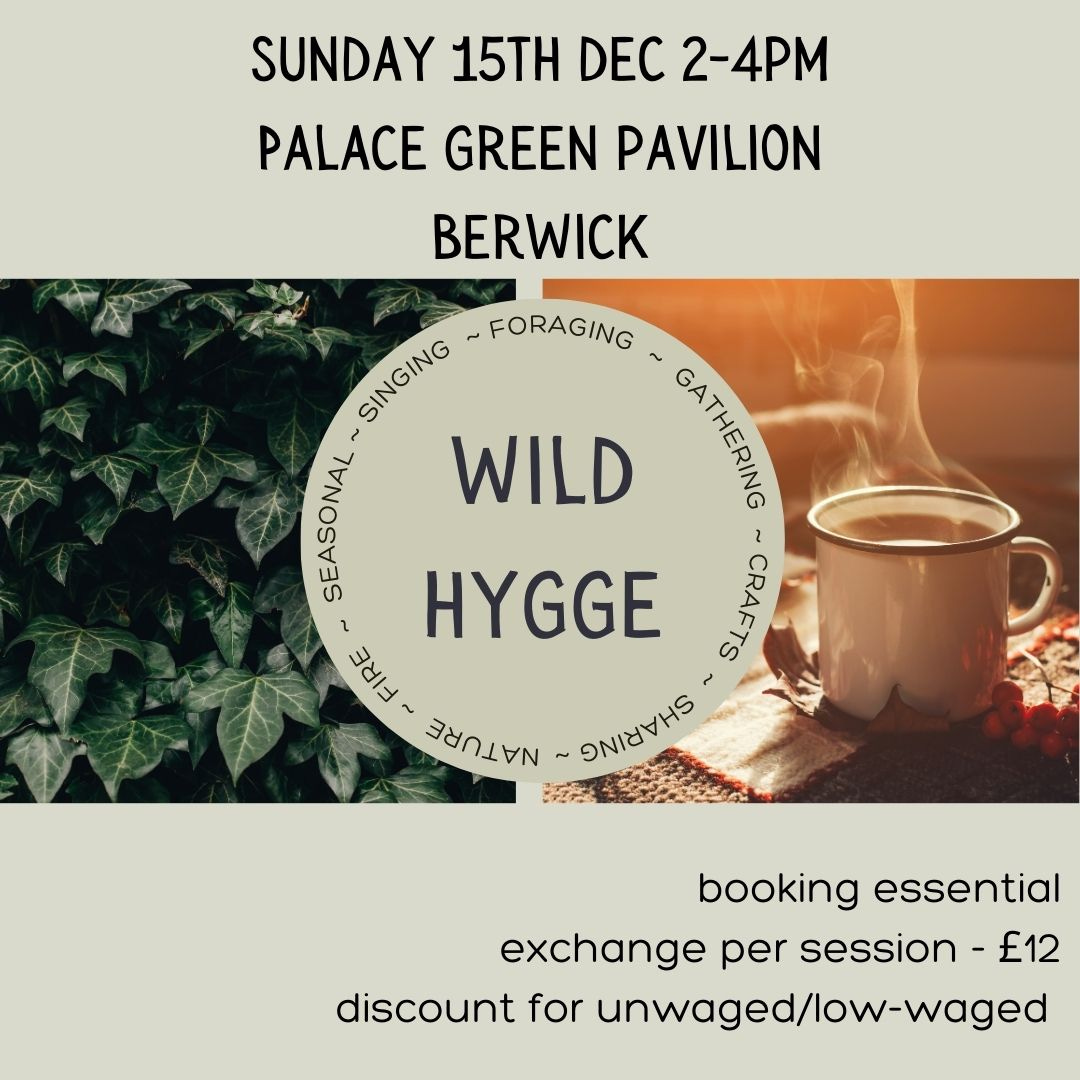
Hit reply to this email or message me to book on to Wild Hygge!
See you outside amongst the Ivy,
Jo xxx
I appreciate all this info! I always thought ivy was beautiful and nice for animals, but never knew of all the possible uses for us humans.
Lovely wisdom and joy, Jo. Thank you. As well as a harvest ground for food for birds, ivy is also a nesting heaven for robins, sparrows and wrens. What a miracle plant it is!